September 15, 2026
Your residential swimming pool serves as a personal sanctuary for leisure, health, and family recreation. Maintaining this valuable investment requires consistent oversight and a proactive approach to routine servicing. When minor issues are left unaddressed, they quickly evolve into severe structural or operational damage that disrupts your leisure time. Staying vigilant regarding early warning signs allows homeowners to intervene before minor glitches transform into major structural failures. Staying ahead of necessary pool repairs ensures that your aquatic retreat remains safe, inviting, and operational throughout the warmest months of the year.
1. Identify Water Discoloration
Unusual changes in water color are frequently the first visible indicators of underlying functional troubles. An unexpected green tint often points to sudden algae blooms, which thrive when chemical sanitizer levels plummet unexpectedly. Beyond algae, cloudy or murky water signals compromised filtration performance or severe pH imbalances within the system. Foul smells emanating from the surface point toward organic contamination or chemical inefficiency, both of which compromise safe swimming conditions. Surface staining from metal deposits or organic debris further demonstrates that your water chemistry requires immediate corrective balancing.
Neglecting proper chemical management creates a cascading series of complications throughout your filtration apparatus. When chemicals remain unbalanced, bacteria multiply rapidly, and aggressive algae roots cling firmly to interior plaster walls. Ineffective filtration pumps fail to circulate water efficiently, worsening cloudiness and creating pockets of stagnant water. According to Ruby Home, nearly 8% of American homes feature a residential swimming pool, making proper upkeep a vital responsibility for many property owners nationwide. Inspecting your pump assembly at the first sign of murky water helps avoid major pool repairs down the road.
2. Inspect Structural Cracks
Structural cracks along your pool deck, basin walls, or floor demand immediate diagnostic attention from trained technicians. Minor surface fissures often emerge from ambient temperature changes or subtle ground movement over extended periods. Distinguishing between superficial plaster flaking and deep structural fractures is crucial for selecting the appropriate restoration strategy. Spiderweb patterns in the plaster often signal deeper foundational settling that allows water to escape into surrounding soil. Separations between surrounding coping tiles suggest ground shift beneath the concrete shell, requiring immediate investigation before serious structural instability develops.
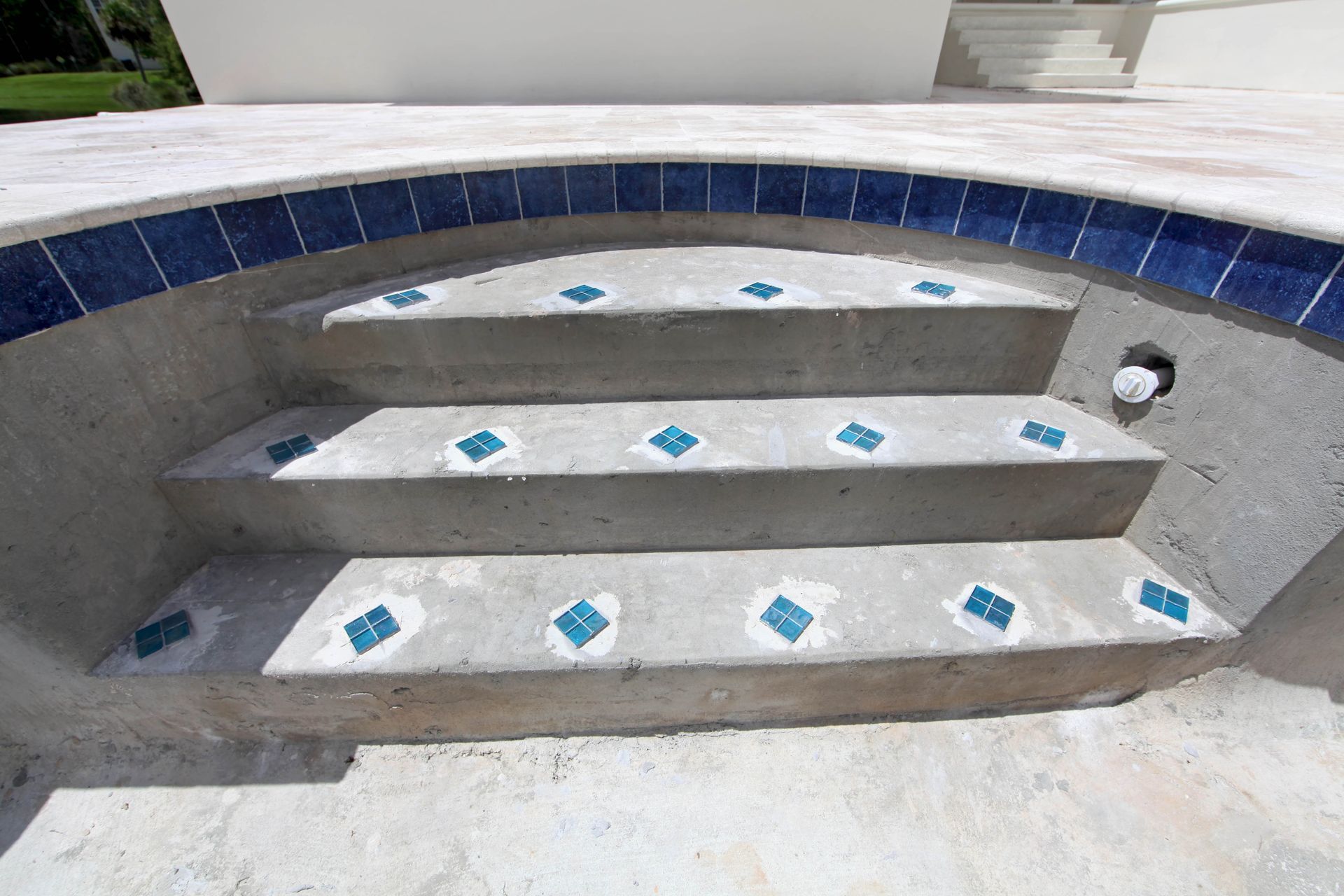
Displaced or lifting tiles compromise visual appeal while creating dangerous tripping hazards for swimmers of all ages. Gaps between mosaic tiles permit subsurface water infiltration, causing concrete shells to expand and contract excessively during seasonal freeze-thaw cycles. Addressing surface breaches promptly prevents sub-base erosion and preserves the long-term integrity of your installation. Waterproofing interior surfaces and resetting loose masonry elements preserves structural stability. Decisive action and prompt pool repairs can stabilize the foundation, protecting your property investment and preventing exorbitant reconstruction costs in the future.
3. Monitor Dropping Water Levels
A persistent drop in your water basin level usually indicates a hidden leak within the plumbing or shell construction. While normal evaporation accounts for minor daily water loss, rapid drops overnight point toward serious structural or pipe compromise. Continually filling your basin without identifying the root cause wastes resources and dilutes necessary balancing chemicals. Systemic plumbing failures underground or compromised return lines often lie hidden beneath soil surfaces. Promptly inspecting return fittings and skimmer assemblies helps locate water loss points, as ignoring leaks increases the scope of required pool repairs.
Soggy soil or unusually vibrant patches of lawn surrounding your pool deck strongly indicate underground plumbing leaks. Damp ground near equipment pads or pool margins accelerates deck shifting and soil erosion over time. Left unaddressed, leaking water undermines supporting concrete pads and destroys neighboring landscape features. Regularly evaluating filtration components and pressure lines ensures leaking fittings are caught early. Systematic checks safeguard surrounding property structures while conserving valuable water resources, keeping your circulation components performing efficiently throughout the active swimming season.
4. Address Equipment Malfunctions
Your mechanical assembly relies on synchronized pumps, filters, and heaters to maintain pristine water conditions daily. An underperforming pump restricts total water movement, leading directly to stagnation and rapid bacterial growth across the basin. Strange grinding or humming sounds coming from heating units suggest failing internal components or restricted flow paths. Electrical issues, such as breakers tripping repeatedly, point toward internal motor shorts that require immediate professional diagnosis. Leaving mechanical components in disrepair places excessive strain on the entire circulation system, risking complete operational failure.
Inconsistent filter performance allows debris and micro-particles to pass freely back into the swimming area continuously. Clogged or damaged filter media reduces overall turnover rates, rendering chemical treatments ineffective and clouding the water. Faulty digital thermostats cause extreme temperature swings that disrupt swimmer comfort and waste energy resources. Timely equipment servicing protects mechanical longevity while lowering daily operational expenditures. Inspecting system components routinely and investing in timely pool repairs keeps utility bills down while extending the lifespan of your mechanical setup.
5. Fix Surface Deterioration
Visible degradation of internal surfaces serves as an unmistakable warning sign of persistent chemical degradation. Chipping or peeling plaster usually stems from aggressive water chemistry that leaches minerals directly out of interior surfaces. Rust stains forming around light niches or metal fixtures reveal underlying rebar corrosion, which weakens structural concrete. Unbalanced water accelerates surface erosion, making smooth plaster feel rough and abrasive to swimmers' skin. Addressing surface erosion signals a need for professional pool repairs to re-plaster or seal interior finishes safely.
Vinyl liners that exhibit blistering, fading, or stretching suffer from chemical degradation and heavy ultraviolet exposure over time. Compromised liners permit water to seep behind the wall membrane, eroding supporting sand beds and rusting steel wall panels. Flaking exterior paint indicates poor initial bonding or moisture trapped behind surface coats during application. Unstable deck slabs adjacent to the basin present significant safety hazards, increasing trip risks for household members. Restoring worn finishes preserves physical safety while elevating the overall aesthetic appeal of your residential outdoor space.
6. Correct Poor Water Circulation
Optimal water circulation is vital for distributing sanitizing chemicals evenly throughout the entire basin structure. Weak pressure from return jets indicates clogged plumbing lines, dirty filter media, or impending pump impeller failure. Inactive skimmers allow leaves and surface debris to sink to the bottom, burdening suction lines and causing organic stains. Stagnant zones create ideal breeding conditions for harmful bacteria and persistent algae strains. Inspecting skimmer baskets and return fittings regularly ensures consistent flow rates that keep your water thoroughly sanitized and clear.
Inadequate circulation compromises complete turnover cycles, preventing chemicals from sanitizing dead zones near steps and deep ends. Poor circulation forces pump motors to work harder, accelerating mechanical wear and increasing monthly energy bills. Monitoring system pressure gauges helps identify flow restrictions before entire mechanical assemblies collapse completely. Regular maintenance keeps return lines clear and ensures balanced filtration across all operating hours. When return pressure drops dramatically, schedule essential pool repairs to restore flow and maintain safe water standards.
Protecting your backyard investment should always remain a top priority for smooth summer operations. When you notice structural cracks, mechanical noises, or persistent chemical imbalances, prompt action prevents minor annoyances from becoming major expenses. Our team of dedicated specialists possesses the expertise needed to restore your swimming pool to peak performance. Contact us at A. C. Swimming Pools today so we can handle all your pool repairs and keep your pool running perfectly.